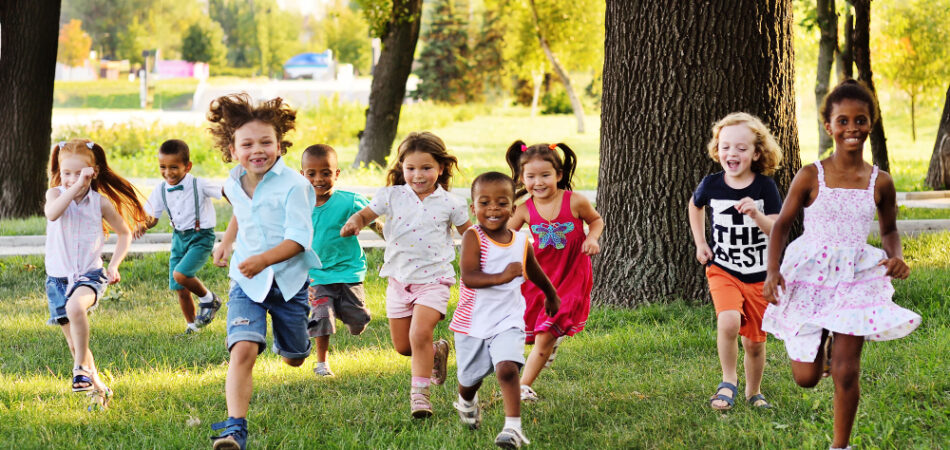
A growing number of parents and educators are embracing the power of outdoor learning preschool programs. These approaches prioritize fresh air, natural settings, and unstructured play to nurture children’s cognitive, social, and physical growth. For young learners, the outdoors is more than just a playground—it’s a rich environment brimming with opportunities to explore, imagine, and discover. The benefits of outdoor play for kids extend far beyond simple recreation, forming a cornerstone for lifelong development. When children interact with the natural world, they are engaging in experiences that sharpen problem-solving skills, stimulate creativity, and strengthen their bodies, all while fostering a deep connection to nature.
Outdoor play is not just an occasional treat; it is an essential part of childhood that should be integrated into early learning routines. The philosophy of nature-based learning—rooted in the understanding that children develop best when they are connected to the environment—has shown remarkable results in both academic and emotional growth. In locations where green spaces, parks, and nature preserves abound, the possibilities for enriching children’s lives through the outdoors are abundant. For parents seeking the best start for their children, the call of the outdoors is one they should answer with intention.
The Cognitive Benefits of Outdoor Play
One of the most compelling reasons to prioritize outdoor learning preschool programs is the profound impact they have on children’s cognitive development. When children step outside, they are entering an ever-changing classroom where each new day presents fresh challenges and discoveries. Observing a trail of ants, navigating uneven terrain, or building a fort from fallen branches requires concentration, planning, and decision-making. Unlike static indoor toys, nature’s elements inspire open-ended thinking, which is essential for early problem-solving skills.
Outdoor environments are dynamic, encouraging children to adapt and innovate. For example, a child may find that the sticks they’ve collected for a pretend campfire are too short, prompting them to search for longer ones. This active experimentation builds cognitive flexibility—a skill that will serve them well in academic settings. Studies show that nature-based learning can improve attention spans and reduce symptoms of attention deficit disorders by offering multi-sensory engagement and movement that traditional classrooms often lack.
Many preschools and early childhood centers have integrated structured nature walks and outdoor lessons into their curricula. These programs combine literacy and numeracy activities with real-world applications—counting pinecones, identifying colors in a flower bed, or measuring puddles after rainfall. This integration ensures that outdoor play is not separate from learning, but rather a powerful complement to it.
Emotional and Social Growth Through Nature
While the cognitive gains of outdoor play are significant, the emotional and social benefits are equally transformative. The outdoors provides a low-pressure environment where children can interact with peers in cooperative and imaginative play. Without the confines of walls or a fixed set of toys, children naturally engage in more complex social negotiations—deciding who takes the next turn on the swing, working together to build a sandcastle, or creating shared storylines in pretend play.
In nature-based learning settings, children also encounter opportunities for risk-taking in a safe context. Climbing a tree, balancing on a log, or jumping over a stream teaches them to assess danger, make decisions, and build confidence in their abilities. These experiences translate into resilience—an essential trait for navigating life’s challenges.
Outdoor play often means connecting with the unique landscapes, from wooded trails to riverside parks. These local environments provide endless opportunities for shared discovery, strengthening bonds between classmates and fostering a sense of community. Emotional regulation also improves as children spend more time outside; exposure to natural light, fresh air, and green spaces is linked to lower stress levels and improved mood in both children and adults.
The Physical Health Advantages
The physical benefits of outdoor play for kids are perhaps the most visible. Running, climbing, jumping, and balancing on varied terrain build gross motor skills, while picking up pebbles or weaving flower crowns hones fine motor control. In contrast to the sedentary tendencies of indoor activities, the outdoors demands movement, which supports cardiovascular health, muscle development, and coordination.
Spending time outside also boosts vitamin D levels, essential for bone growth and immune function. Seasonal changes bring a variety of weather conditions, children learn to adapt physically to different environments—bundling up for snowy play, staying hydrated in summer heat, or navigating muddy spring trails. These adaptations not only strengthen their bodies but also cultivate a sense of comfort and capability in all kinds of conditions.
Incorporating outdoor learning preschool programs into daily routines ensures that physical activity is a consistent part of children’s lives. This foundation helps establish healthy habits early, reducing the risk of obesity and promoting overall well-being well into adulthood.
How Nature-Based Learning Prepares Children for the Future
In a world where technology continues to dominate daily life, nature-based learning offers an important counterbalance. Outdoor play teaches children patience, observation, and an appreciation for the slow rhythms of the natural world—qualities that are increasingly rare in our fast-paced society. By engaging with the unpredictability of nature, children develop adaptability and resourcefulness, traits that will serve them in a range of future contexts.
Research shows that children who spend more time outdoors are more likely to develop environmental stewardship as they grow older. This connection to nature fosters a sense of responsibility for the planet, encouraging sustainable behaviors from an early age. For families, where access to nature is abundant, fostering this environmental awareness is both an opportunity and a responsibility.
Outdoor learning preschool programs that emphasize nature-based learning also help bridge socio-economic gaps. Nature is, at its core, accessible to all, and outdoor play does not require expensive equipment or technology. Instead, it relies on curiosity, imagination, and the inherent richness of the natural world.
Embracing the Outdoors in Early Childhood Education
For parents and educators, the message is clear: outdoor play is not an optional add-on to early childhood education—it is a vital component. The benefits of outdoor play for kids encompass cognitive, emotional, social, and physical development, all while nurturing a deep connection to nature. By prioritizing outdoor learning preschool programs and embracing nature-based learning, we can give children the tools they need to thrive not just academically, but in every aspect of life.
Encouraging children to explore the outdoors—whether through organized programs, family outings, or spontaneous backyard adventures—ensures that they grow up with a strong foundation for lifelong learning and well-being. As communities, we must advocate for policies and practices that protect children’s right to play outside, even in the face of increasing screen time and academic pressures.
Conclusion
The call to embrace outdoor play is more than a trend; it is a recognition of the timeless truth that children learn best when they are free to move, explore, and discover in the natural world. Nature offers the most authentic classroom, and the lessons it imparts are ones that will stay with children for a lifetime.